






11.06.2026.
18:30
Is the world facing a catastrophe?
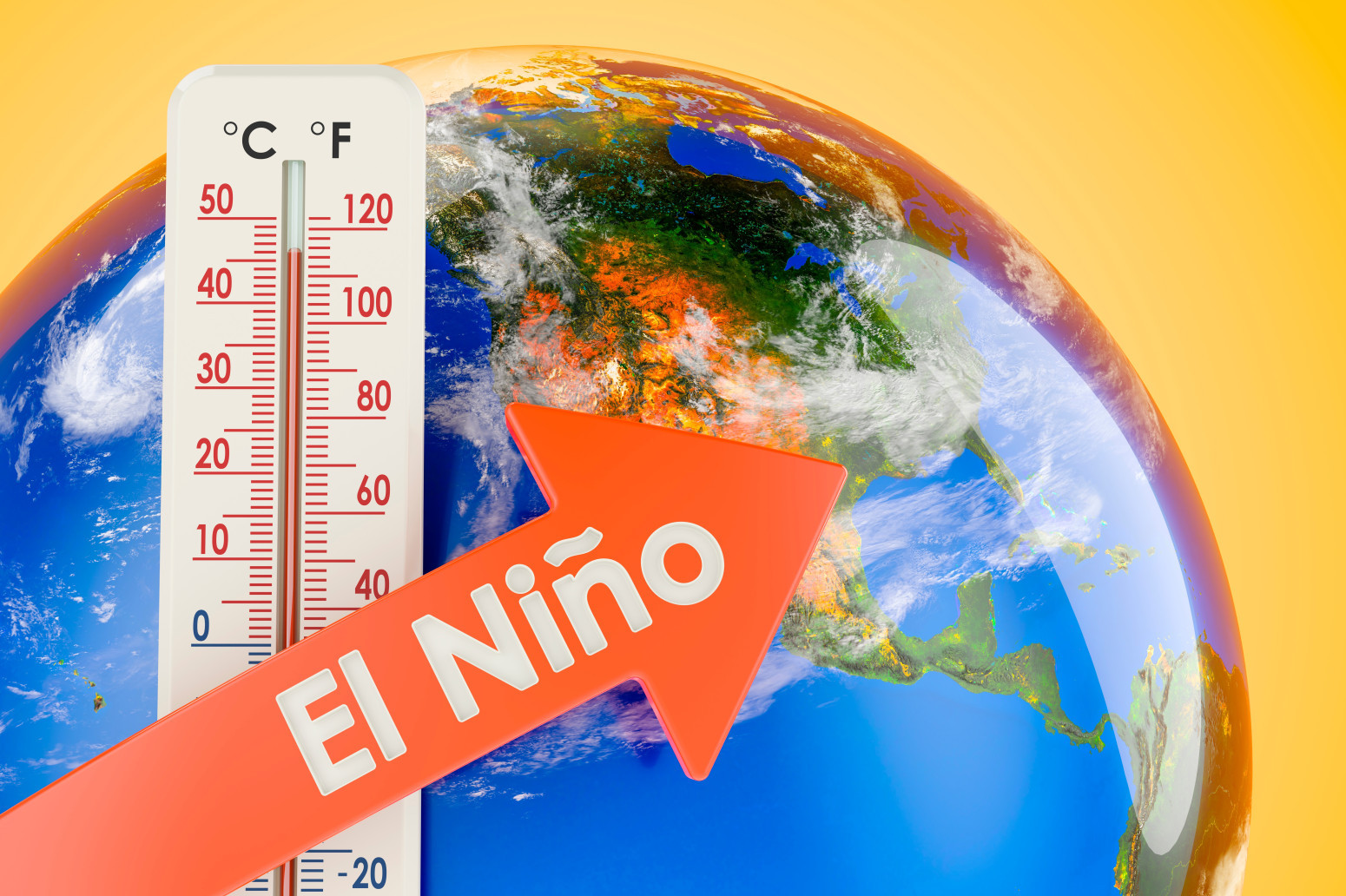
The NOAA (National Oceanic and Atmospheric Administration) has confirmed the development of El Niño in the Pacific Ocean, warning that it could trigger extreme weather events around the world.


0 Komentari
Možda vas zanima

Debakl Zvezde – pomračenje Stankovića; Navijači oterali igrače i prozvali upravu; Vanredni sastanak FOTO/VIDEO
Crvena zvezda je eliminisana iz kvalifikacija za Ligu šampiona. Crveno-beli su u revanšu poraženi od Hapoela iz Ber Ševe sa 2:0, pa je izraelski tim posle dve utakmice slavio ukupnim rezultatom 3:0.
23:55
11.8.2026.
1 d

Terzić: "Jadno i bedno", "Izbori, pa izvolite"; Tri kandidata za trenera; Pomenut i Partizan VIDEO
Sva dešavanja pratite u LIVE BLOGU B92.sport.
14:05
12.8.2026.
11 h

Stanković više nije trener Crvene zvezde?
Dejan Stanković više nije trener Crvene zvezde, prenose mediji.
0:03
12.8.2026.
1 d

Rat – dan 1.629: Kijev predao Americi plan za kraj rata; Putin sprema mobilizaciju?; Žestok udar na Zaporožje
Predsednik Ukrajine Volodimir Zelenski tvrdi da se Rusija priprema za novi talas mobilizacije nakon parlamentarnih izbora, navodeći da bi do kraja godine moglo biti pozvano nekoliko stotina hiljada ljudi.
23:51
11.8.2026.
1 d

Pijete kiselu vodu svakog dana? Evo kakav uticaj ima na bubrege i kosti
Gazirana voda sve je popularnija, ali može li u potpunosti da zameni običnu vodu u svakodnevnoj hidrataciji i kako utiče na zdravlje?
9:23
11.8.2026.
1 d












Komentari 0
Pogledaj komentare Pošalji komentar