





13.07.2026.
21:55
Outbreak sweeps across Europe: Dangerous disease spreading in popular destinations – Here's what to watch for
New data has identified measles hotspots across Europe, with a sharp rise in cases recorded in six countries that are among the continent’s most popular tourist destinations.

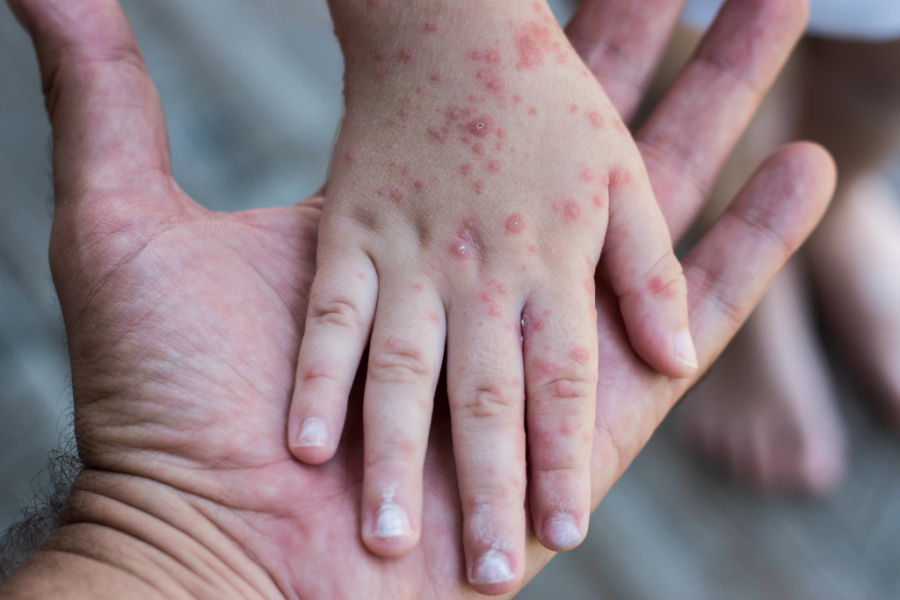
The eight symptoms to look out for are:
- Red, watery, and swollen eyes
- High fever
- Cold-like symptoms — runny or blocked nose and sneezing
- Fatigue
- Severe, hoarse cough
- Small grayish-white spots inside the mouth
- Loss of appetite
- Muscle aches
Complications are rare, but if the infection spreads to the lungs or brain, measles can lead to pneumonia, meningitis, blindness, seizures, and, in some cases, death.
According to estimates, one in five infected children will require hospitalization, while one in 15 will develop serious complications such as meningitis or sepsis. Last year, 7,655 cases of the disease were recorded in the European Union, eight of which resulted in death.
In Spain, 138 measles cases have been reported since January, according to the ECDC.
In France, 103 cases have been confirmed since the beginning of the year.
Romania has reported 85 measles cases so far in 2026.
Germany has recorded 52 cases of infection in 2026 to date.
Vaccination provides 99 percent protection
Two doses of the MMR vaccine provide up to 99 percent protection against the disease, which can lead to hearing loss and pregnancy complications. Without vaccination, one person infected with measles can transmit the virus to nine out of 10 unvaccinated people nearby.
According to guidelines, at least 95 percent of the population must be vaccinated to prevent outbreaks. As reported by The Sun, measles, mumps, and rubella (MMR) vaccination coverage in England has fallen to just 84 percent, the lowest level since 2010.
The ECDC highlighted the importance of families getting vaccinated to protect both adults and children from the disease, especially if they are planning summer travel.
“It is crucial that children receive their first and second vaccine doses on time, in line with national immunization schedules. It is equally important to identify and vaccinate eligible individuals (for example, adolescents and young adults without immunity) through catch-up vaccination programs,” the agency stated.
0 Komentari
Možda vas zanima

Siner je kralj Vimbldona!; Zverev se oglasio: "Ne volim te"; Janik poručio Saši: "Baš si blizu..."
Janik Siner je Grend slem šampion.
21:53
12.7.2026.
1 d

"Pauk" skinuo pauka! Na švajcarskom satu piše da nije kraj za Mesija i Argentinu VIDEO
Bude se duhovi prošlosti pred duel Engleske i Argentine, prvog nakon čuvenog iz 1986. godine
6:18
12.7.2026.
1 d

Zverev: "Samo trojica mogu da izazovu Sinera"
Aleksandar Zverev nije uspeo da osvoji Vimbldon, ali je posle poraza u finalu od Janika Sinera priznao da je Italijan trenutno najbolji teniser sveta.
23:23
12.7.2026.
1 d

Brutalna odmazda; Ogroman udar na Ameriku – totalno razaranje VIDEO
Iranski Korpus islamske revolucionarne garde (IRGC) saopštio je danas da je izveo uspešne napade na skladišta goriva i municije u jordanskoj vazduhoplovnoj bazi Princ Hasan, kao i na američke ciljeve u Bahreinu i Kuvajtu.
7:22
13.7.2026.
20 h

Ostali su samo najjači – ko, gde i kada igra polufinale Mundijala?
U polufinalu Mundijala gledaćemo dva istinska spektakla
6:00
12.7.2026.
1 d














Komentari 0
Pogledaj komentare Pošalji komentar